AI-generated concept visualization
TATTOO BLACK · HURGHADA

Explore tattoo styles

Find the visual language that fits your idea.

Tattoo style is more than the subject: line work, contrast, detail and size affect the result. These examples are inspiration, not a verified list of services offered by the studio.

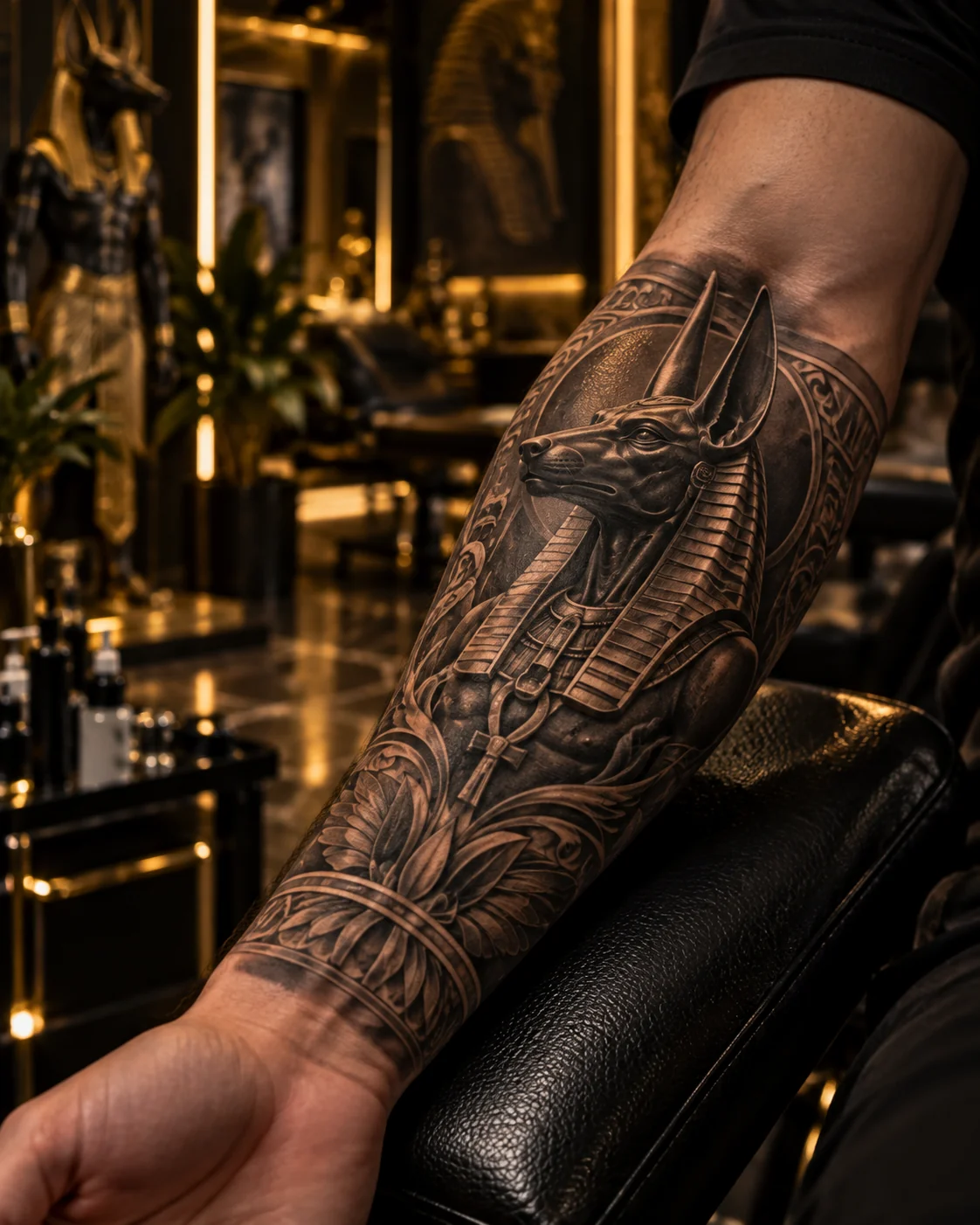
AI-generated Anubis tattoo concept

Black & grey realism

Shading creates depth. Portraits, animals and architecture need adequate space for fine detail and well-planned contrast.

Discuss your idea ↗
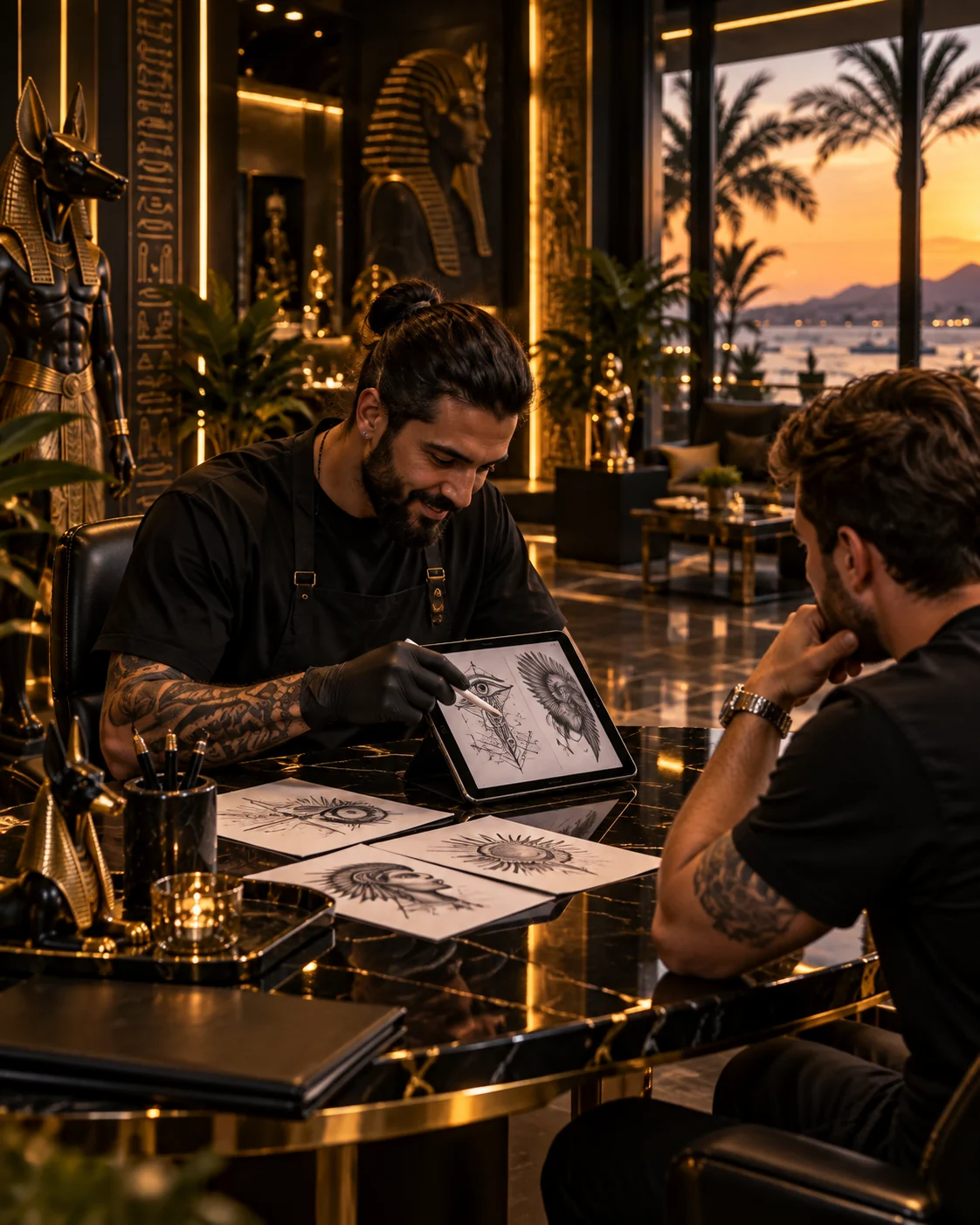
AI-generated consultation scene

Fine line & minimalism

Minimal designs depend on proportions. Very small details can become less distinct over time; agree on the final size with the artist.

Ask a question ↗
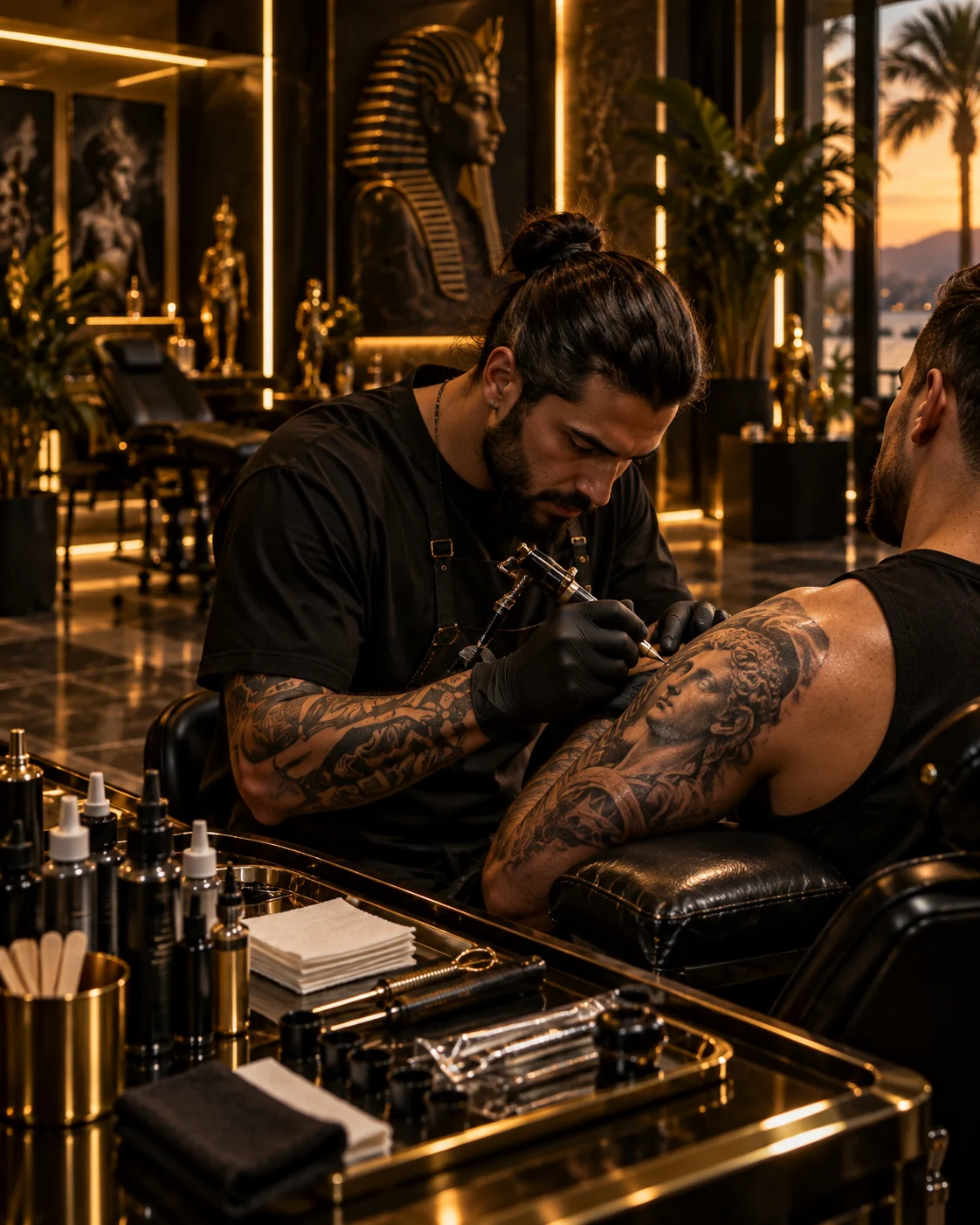
AI-generated tattoo scene

Ornamental & geometry

Repeating shapes and symmetry can follow the arm, shoulder or back. The body's curves matter when planning the composition.

Request a concept ↗
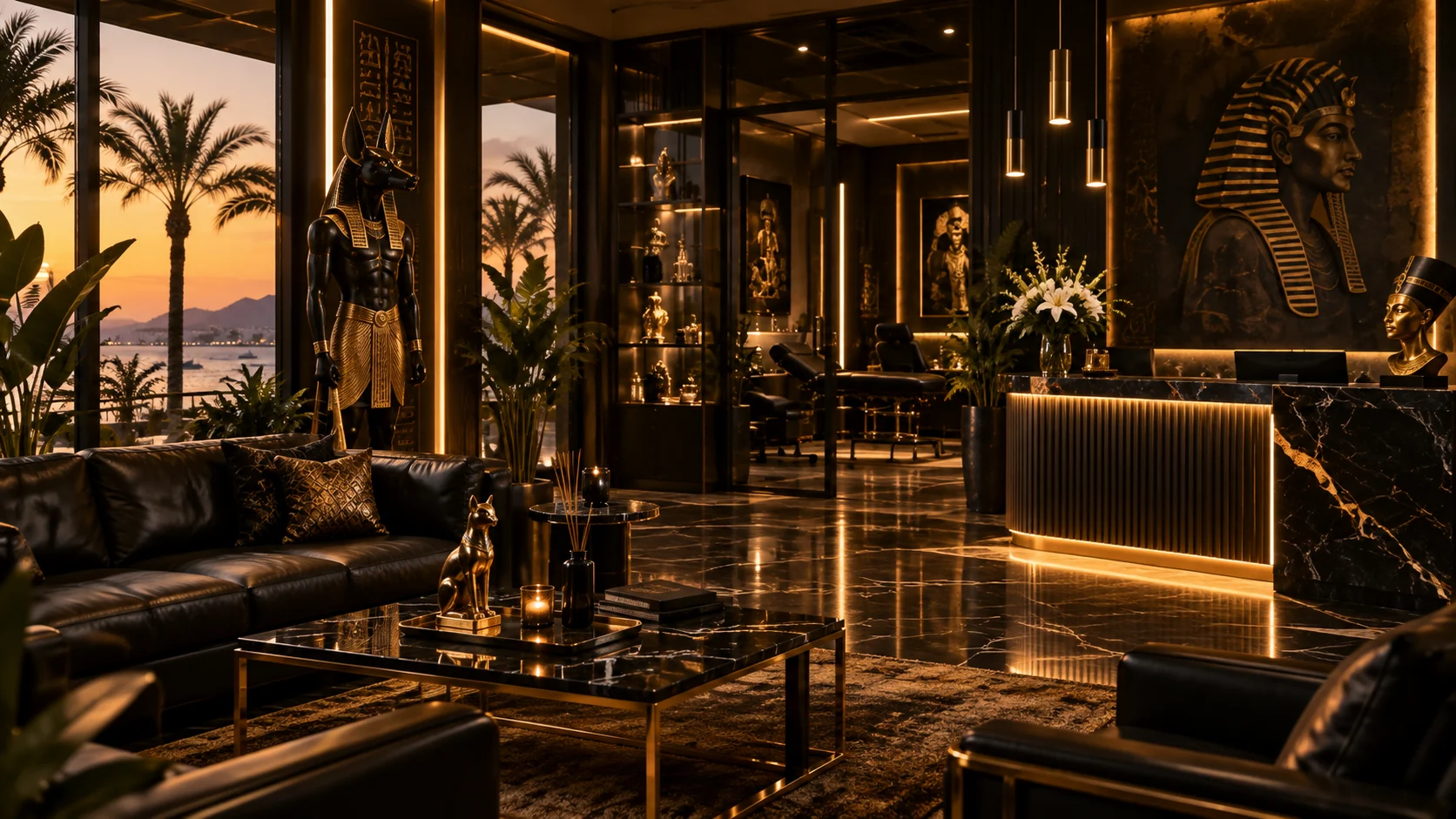
AI-generated studio concept

Egyptian inspired

Anubis, lotus flowers, scarabs and ornaments can be interpreted in many ways. Research a symbol's origin and meaning first.

Explore the symbolism ↗

How do I choose a style?

Ask whether you want the design to read from a distance or up close, whether you prefer strong shading or sharp outlines, and how much space is available. Bring examples of designs you dislike as well as ones you love.

Image disclosure: all studio and tattoo images are AI-generated concepts, not actual photos or client work.

Discuss your tattoo idea

Send your reference, preferred size and dates. An inquiry is not a confirmed booking.

Send an inquiry ↗

In-depth guidance and practical examples

Explore the subject in depth with realistic examples, decisions to make and important limitations.

From inspiration to a workable design

Start by describing what matters most to you: a story, a symbol, a decorative shape or a particular mood. Decide whether the piece needs to read clearly from a distance or reveal detail up close. Consider the body area and approximate dimensions before choosing the technique. A highly detailed portrait and a small graphic symbol have very different space requirements.

Black and grey realism

Realism depends on a coherent hierarchy of dark shadows, mid-tones and areas of skin left open. Eyes, faces and architecture can lose clarity if squeezed into a tiny design. Ask to view the proposal at actual size, then look at it from a distance. Discuss which elements can be simplified while keeping the essential character.

Fine line and minimalism

Fine lines reward careful proportions and deliberate empty space. Smaller does not automatically mean simpler or more durable. Very close lines can become harder to distinguish as skin and ink appearance change over time. Prioritize a readable silhouette and seek a professional recommendation for size and placement.

Ornamental and Egyptian inspiration

Symmetry and repeating patterns need to follow the shape and movement of the body. An arm is not a flat sheet of paper, so a stencil should be assessed in a natural position. Egyptian-inspired designs may feature a lotus, Anubis or architectural geometry; verify any claimed historical meaning, especially inscriptions.

Colour, cover-ups and combinations

Colour choices should take contrast and skin appearance into account. Cover-ups are constrained by the size, darkness and position of existing ink; they often require a larger or darker new composition. Combining realism and ornamental work is possible when the main subject is clearly distinguished from supporting decoration.

A practical consultation checklist

Bring three to five references, mark the details you like and dislike, provide measurements in centimetres and identify the intended body area. Ask about size, simplifications, estimated sessions, care requirements and a confirmed quote. Styles and prices shown as inspiration are not a promise of specific studio services.